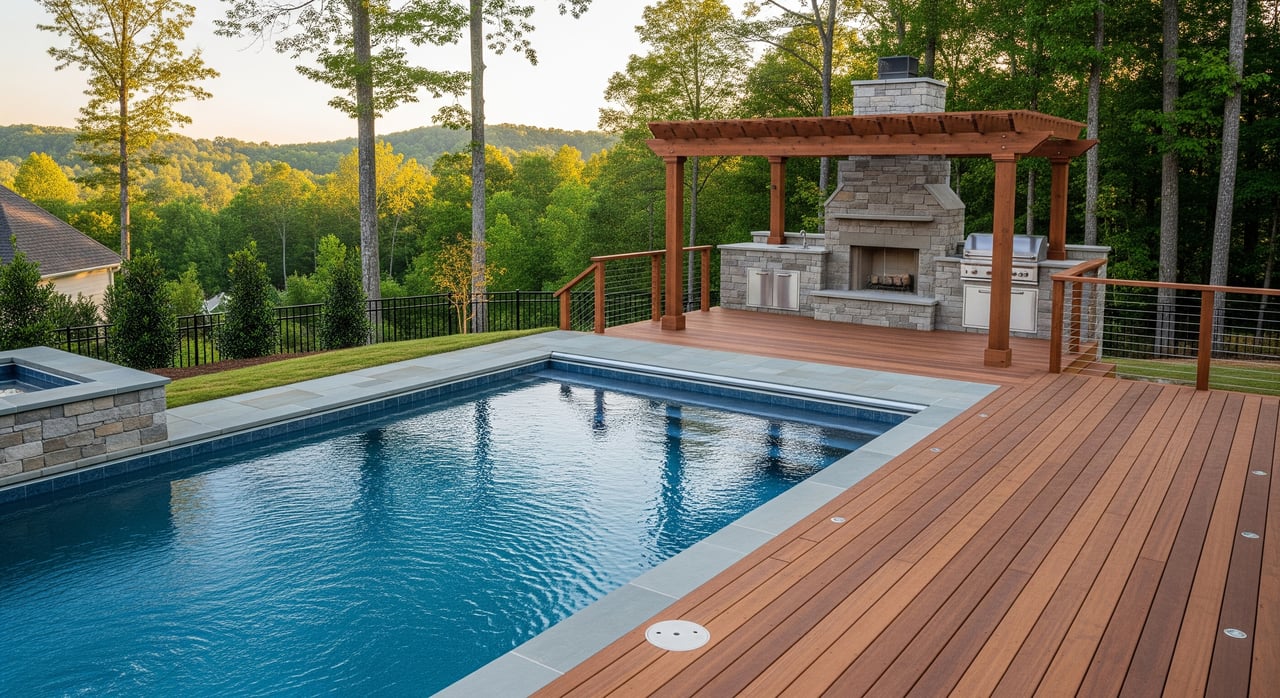
Thinking about adding a pool, building a deck, or refreshing your outdoor space in Canton? The right permit plan can save you weeks of stress, rework, and budget surprises. You want your project done safely and on time, especially if you might sell soon. In this guide, you’ll learn what typically needs a permit in Canton, what to submit, how inspections work, realistic timelines, and how to plan if you’re listing your home. Let’s dive in.
Canton jurisdiction and codes
Before you start, confirm where your property sits. If you are inside the City of Canton, permits and inspections come through the City’s Community Development and Building Inspections office. Properties in unincorporated areas fall under Cherokee County. Start by confirming jurisdiction and the correct office for your address.
- The City enforces Georgia’s State Minimum Standard Codes, which are based on the International Codes with state and local amendments. You can review the state framework through the Georgia Department of Community Affairs.
- Pool safety and electrical rules typically follow the International Codes, including the International Swimming Pool and Spa Code (ISPSC). For context on model codes, visit the International Code Council.
- Trades like electrical, plumbing, HVAC, and gas often require licensed contractors on the permit. Some structural work may be pulled by the homeowner on an owner-occupied property. Confirm Canton’s current policy before you apply.
If you are unsure where to start, reach out through the City of Canton website or, for properties outside city limits, the Cherokee County government site.
Pool permits: what to expect
Most in-ground pools and many substantial above-ground pools need a permit. If your pool involves electrical work, a gas heater, or connected decking, permitting will include those scopes too.
Typical submittals include:
- A site plan that shows your property lines, setbacks, house footprint, distances to the pool, and any septic or sewer features.
- Construction drawings with pool size, depth, structure, and materials.
- An electrical plan for bonding, GFCI protection, and equipment wiring; a gas plan if you are installing a heater.
- Barrier details that meet code for height, gates, and latch type.
- Contractor license and insurance. If you plan to pull the permit as an owner, verify eligibility first.
Inspections commonly include:
- Pre-excavation or footing review on certain designs.
- Electrical bonding and grounding before backfill or equipment is covered.
- Gas pressure test if a heater is installed.
- Barrier and gate inspection to confirm safety requirements.
- Final inspection when everything is complete.
Timeline to plan for: From complete application to final approval, an in-ground pool often takes 6 to 12 weeks. Larger scope or seasonal backlogs can extend that window.
Deck permits: plans and inspections
New decks and structural changes usually require a permit. Repairs may also trigger permits depending on scope and height.
Be prepared to submit:
- A site plan with deck footprint and setbacks.
- A framing plan with joist sizes and spans, ledger connection details, post and beam layout, footing size and depth, stair and guard details, and material specs.
- Contractor information or a homeowner affidavit if eligible to pull the permit yourself.
Expect inspections in this typical sequence:
- Footing or post hole inspection before you pour concrete.
- Framing and ledger inspection before installing deck boards.
- Final inspection focused on stairs, guards, and safe access. Add electrical inspections if you include lighting or outlets.
Fences and other exterior updates
Fence rules vary by height, location, and front yard placement. Many cities require permits for taller fences and regulate setbacks. Plan to show gate location and be mindful of utilities and easements.
Retaining walls above certain heights or those that affect drainage may need structural plans. Roofing, siding, and window replacements often require simple permits, especially when changing openings or affecting energy or egress requirements. Ask the City what is needed for your exact scope.
If your property lies within a floodplain, a historic or overlay district, additional approvals or documentation can apply. Always obtain HOA approval when required, since HOA rules do not replace City permits and vice versa.
Apply, review and inspections
Here is how the process typically works for residential exterior projects in Canton:
- Pre-application steps
- Confirm your jurisdiction, property setbacks, easements, and any floodplain or overlay considerations.
- Gather contractor licenses and insurance, HOA approvals if applicable, a site plan, and construction details.
- Apply online
- The City provides an online permitting portal accessible from the City of Canton website. You can usually upload plans, list contractors, and pay fees there.
- Plan review
- Small exterior projects like decks typically see plan review in about 1 to 3 weeks. Larger projects such as pools with electrical and gas work can take 2 to 6 weeks. If the City requests revisions, the clock resets upon resubmittal.
- Permit issuance
- After approval and fee payment, you will receive a permit placard and number that must be posted at the job site.
- Inspections
- Schedule inspections online or by phone. Many offices require at least 24 to 48 hours’ notice, and inspectors usually provide a morning or afternoon window based on route.
- Final approval and closeout
- Once all inspections pass, the permit is closed. Keep your final inspection report and closeout paperwork for future reference or a potential sale.
Average timelines in Canton
- Small deck or minor exterior work: commonly 2 to 6 weeks from permit to final, depending on completeness and inspector availability.
- Larger decks or moderate exterior renovations: plan for 3 to 8 weeks with multiple inspections.
- In-ground pools with electrical and gas: commonly 6 to 12 weeks from submittal to final approval, sometimes longer during busy season.
Seasonality matters. Spring and summer are busy, so build in extra buffer time.
Selling soon? Plan your permits
Open permits can cause issues during appraisal, underwriting, and title review. You should disclose open or unfinished permits, and some buyers or lenders will require permits to be closed before closing.
If your project supports a listing, start permitting early:
- For decks and exterior updates, begin at least 2 to 3 months before your target listing date.
- For pools, plan 3 to 6 months ahead to allow for plan review, construction, barrier approval, and final inspections.
- Keep copies of final inspection reports and permit closeout documents. Share them with buyers and appraisers to support a smooth sale.
Selling as-is with open permits is possible, but it must be fully disclosed and could impact buyer demand or financing. If you cannot complete a project before listing, document your expected inspection dates and provide clear updates to buyers.
Quick checklists
Pre-application checklist
- Verify jurisdiction: City of Canton or Cherokee County.
- Prepare a site plan with property lines, setbacks, house footprint, and proposed work.
- Assemble construction drawings: framing and footing details for decks, or pool plan with depths, equipment location, and barrier plan.
- Gather contractor license, insurance, and required trade licenses.
- Obtain HOA approval if needed.
- Add septic or drainage documentation if applicable.
- Complete the online permit application and be ready to pay fees.
Inspection day checklist
- Post your permit placard and have the permit number ready.
- Keep approved plans on-site and available to the inspector.
- Leave excavations, footings, or bonding connections exposed for review.
- Ensure electrical panels are accessible; have bonding and grounding visible for pool inspections.
- Unlock gates and clear paths for the inspector.
- Have a point of contact on-site to answer questions.
- Provide any required test results, such as gas pressure tests.
Where to confirm requirements
- Use the City of Canton website to find Community Development and the online permitting portal.
- Review Georgia’s code framework at the Georgia Department of Community Affairs.
- See model code references at the International Code Council.
- If the property is outside city limits, start at the Cherokee County government site to find building and permitting resources.
Next steps
Set your project up for success by confirming your jurisdiction, building a complete permit package, and planning inspections around realistic timelines. If you are lining up a sale, start early and target permit closeout before you hit the market. When in doubt, check with the City and your contractor so you avoid delays.
Planning a sale or purchase around a project timeline in Canton or nearby suburbs? Connect with Unknown Company to map out your strategy and Request a Free Home Valuation.
FAQs
Do I need a permit for an above-ground pool in Canton?
- It depends on the pool’s size or depth and whether you are adding electrical work or deck connections. Confirm permit triggers with the City before you buy.
How long do pool permits and inspections take in Canton?
- From application to final approval, in-ground pools commonly take 6 to 12 weeks. Busy seasons or plan revisions can add time.
Can I pull a permit as a homeowner in Canton?
- Some homeowner permits are allowed for owner-occupied properties, but trades like electrical, plumbing, HVAC, and gas usually require licensed contractors. Verify the current policy with the City.
How do I check my permit status or closeout in Canton?
- Use the City’s online permitting portal or call the building department to confirm inspection results and final closeout. Keep your final paperwork for future sale records.
What happens at a deck footing inspection in Canton?
- The inspector confirms footing location, size, and depth before concrete. Do not pour until this inspection passes, and keep plans on-site for reference.