Thinking about a move to Dunwoody because of a new job or a shorter commute? You are not alone. For many relocation buyers, the biggest challenge is finding the right balance between access to Perimeter Center, the type of home you want, and a price point that feels comfortable. This guide will walk you through Dunwoody housing options near major job hubs so you can compare neighborhoods with more clarity and confidence. Let’s dive in.
Why Dunwoody Works for Relocating Buyers
Dunwoody gives you a rare mix of established suburban living and access to one of Metro Atlanta’s biggest employment centers. Perimeter Center anchors much of that appeal, with offices, retail, hotels, entertainment, and restaurants concentrated around a pedestrian- and bicycle-oriented environment.
The city’s planning also points toward more housing variety over time while preserving neighborhood character and green space. That matters if you are relocating and want choices, whether you are hoping for a condo near transit, a townhome close to everyday conveniences, or a larger single-family home in an established residential pocket.
Perimeter Center: Closest to the Job Hub
If your top priority is living near work, Perimeter Center is the clearest place to start. The city treats it as Dunwoody’s highest-intensity node, centered around the Dunwoody MARTA station and tied closely to office, retail, and multifamily housing.
For many professionals, this is the most transit-first option in the city. Dunwoody station sits on MARTA’s Red Line at Hammond Drive and Perimeter Center Parkway, with a 575-space parking deck and bus connections including routes 5, 48, 87, and 88. Route 150 also links the station with Perimeter Mall and Dunwoody Village, with weekday peak trips extending to Jett Ferry Road.
From a pricing standpoint, Perimeter Center can also offer a different entry point than more traditional single-family areas. As a directional snapshot, the median sale price was about $334,900 in March 2026, with homes selling in about 106 days. That longer pace may give some relocating buyers more room to compare options carefully.
Best fit for Perimeter Center
Perimeter Center may make the most sense if you want:
- A shorter commute to the office core
- Easy MARTA access
- More condo or multifamily-style options
- A lower median price point than many established single-family neighborhoods
Dunwoody Village: A Balanced Middle Ground
If you want a neighborhood center without giving up access to the job hub, Dunwoody Village deserves a close look. The city identifies it as the historic heart of Dunwoody and is positioning it as the city’s downtown, with renovated outdoor space, restaurants, retail, and a more walkable center supported by its entertainment district.
The long-term vision for the area includes mixed-use development, townhomes, other owner-occupied housing, live-work units, civic uses, and local retail. For a relocation buyer, that means Dunwoody Village offers a blend of existing neighborhood feel and future flexibility.
It is also a practical compromise for commuting. While it is not as directly office-centered as Perimeter Center, Route 150 connects Dunwoody station with Perimeter Mall and Dunwoody Village, and Route 88 serves Dunwoody Village and Georgetown from Dunwoody station.
As a directional market snapshot, Dunwoody Village had a median sale price of about $660,000 in March 2026, with homes selling in around 22 days. That places it well above Perimeter Center but below some of Dunwoody’s more expensive established single-family pockets.
Best fit for Dunwoody Village
Dunwoody Village may be a strong match if you want:
- A more walkable neighborhood core
- Access to restaurants and local retail
- A mix of housing types
- A commute option that still connects back to Perimeter Center
Georgetown: Flexibility Near Perimeter
Georgetown and the North Shallowford area can be appealing if you want to stay connected to Perimeter Center while exploring a broader mix of housing and future growth potential. This area is bordered by Chamblee Dunwoody Road, Cotillion Drive, Peachford Road, and Brook Run Park.
The city’s planning work in Georgetown focuses on future development, mobility, and placemaking. The comprehensive plan envisions a mix of commercial, office, townhome, other occupied housing, mixed-use residential, and senior housing, with transitions to nearby neighborhoods and connections back to Perimeter Center.
That mix can make Georgetown especially interesting for buyers who want balance. You may find it easier to compare different housing styles here than in areas that lean heavily toward either high-density multifamily or larger-lot single-family homes.
Best fit for Georgetown
Georgetown may work well if you want:
- A location tied to Perimeter Center
- More than one housing style to compare
- Access to Dunwoody Village and Brook Run Park area amenities
- A neighborhood that may continue evolving over time
Winters Chapel: Value and Variety
For buyers who want to stay near major job hubs but widen the search for value, Winters Chapel is worth attention. The city plans this area as an attractive gateway with housing, shopping, and recreation.
The comprehensive plan also notes that existing apartments here are candidates for mixed-use redevelopment. Future uses can include attached and detached single-family homes, multifamily within mixed-use settings, small office uses, and neighborhood-scale commercial activity.
That planning direction suggests more variety than buyers sometimes expect. As a directional snapshot, Winters Chapel posted a median sale price of about $620,000 in March 2026, with homes selling in about 10 days. Compared with some higher-priced established pockets, this area may give relocating buyers more to compare without giving up access to the broader Dunwoody area.
Best fit for Winters Chapel
Winters Chapel may be a good fit if you want:
- Housing variety
- A location connected to the Peachtree Industrial corridor area
- Potential value relative to some traditional single-family neighborhoods
- A search area that includes both current options and future mixed-use evolution
Established Single-Family Pockets
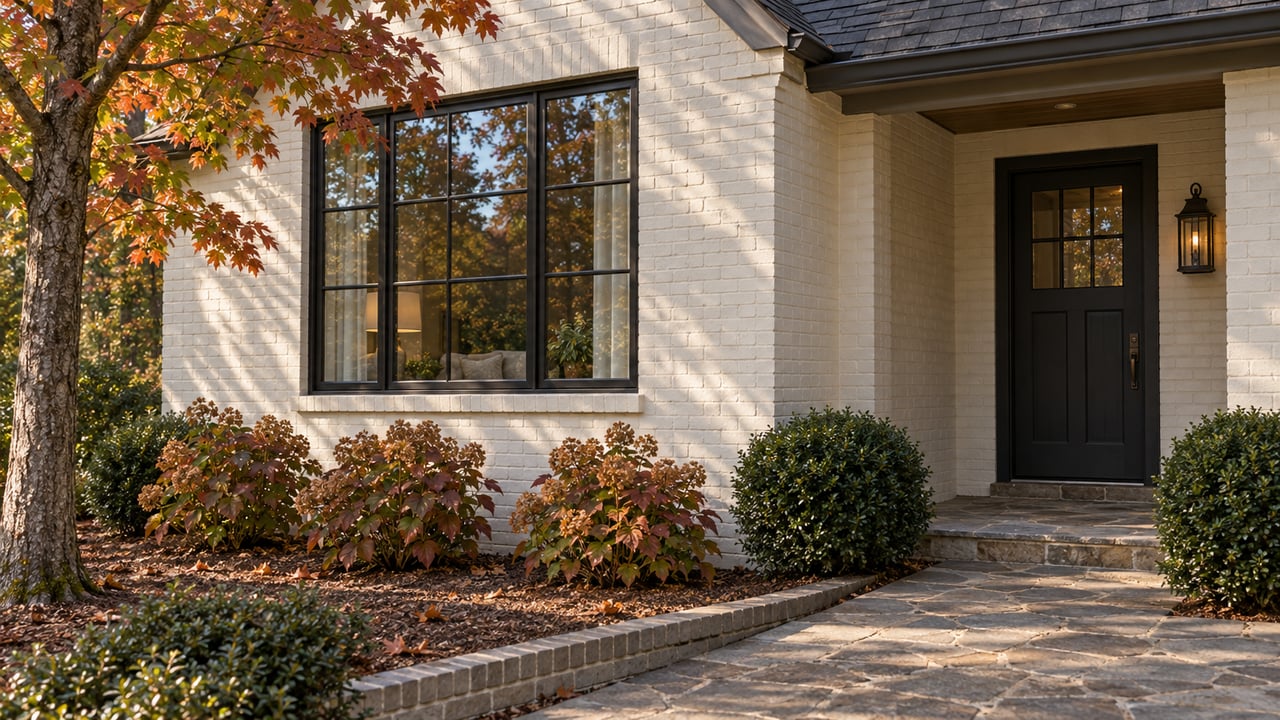
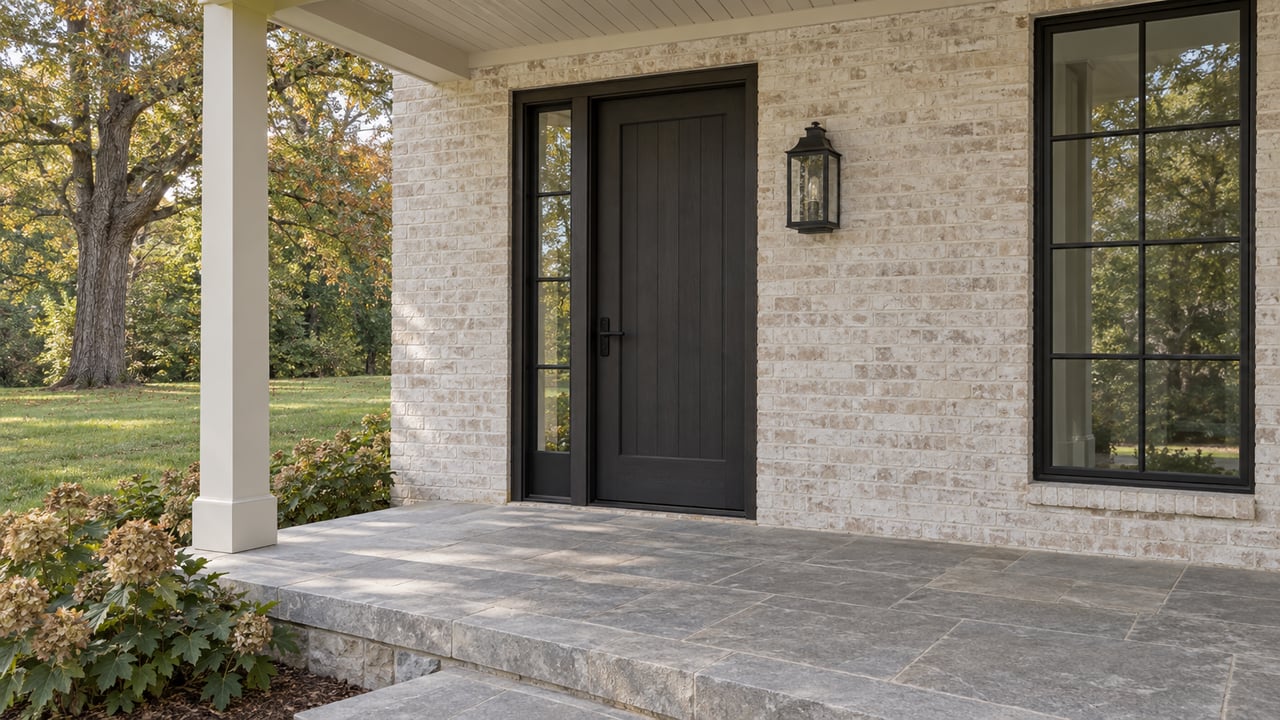
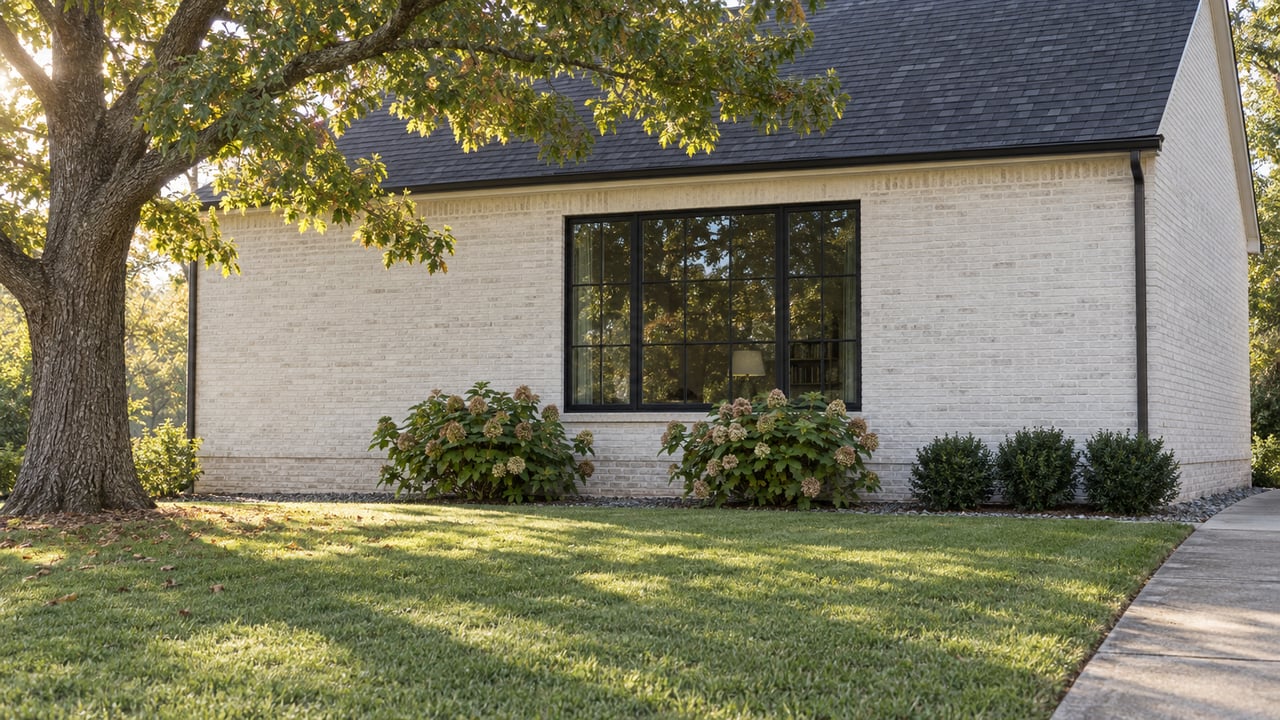
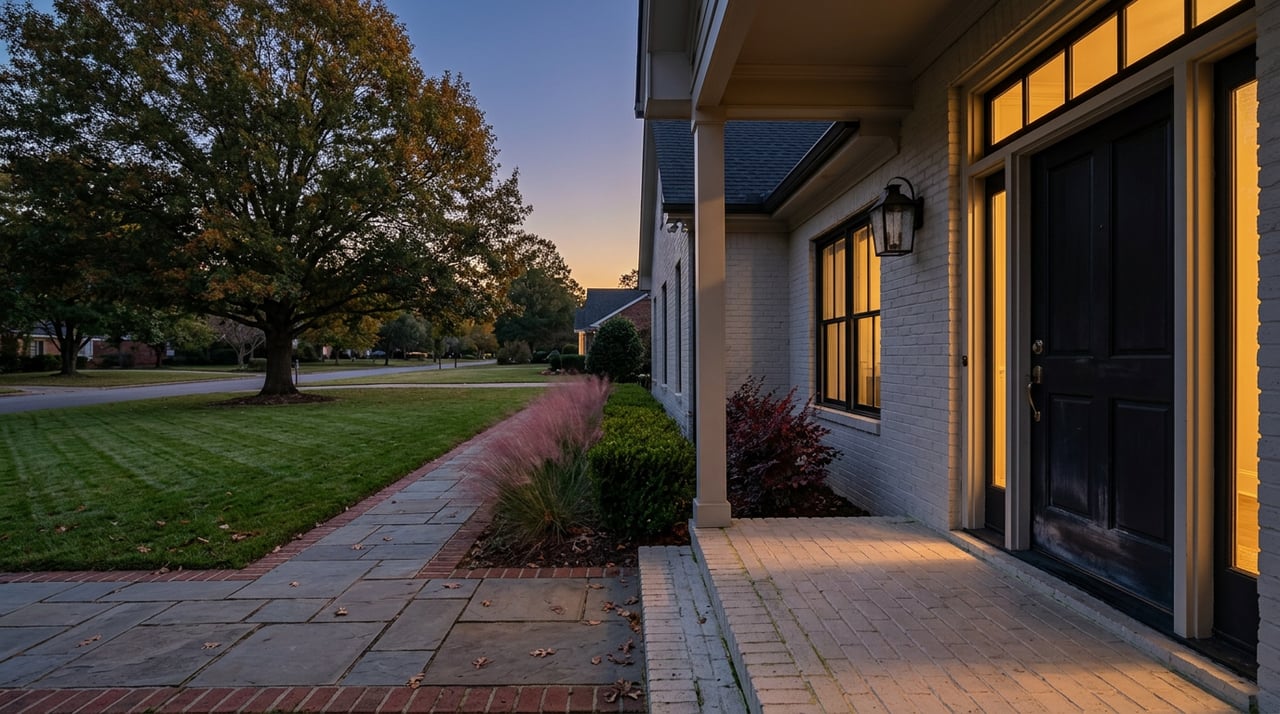
If your move is about space first and commute second, Dunwoody’s established suburban neighborhoods may be the better match. The city describes its suburban neighborhood character areas as stable, owner-occupied single-family residential areas with sidewalks and extensive landscaping.
In practical terms, that description lines up well with places like Dunwoody Club Forest and The Branches. These areas generally skew toward larger single-family homes rather than transit-adjacent multifamily options.
The tradeoff is usually price and walkability. In March 2026, Dunwoody Club Forest had a median sale price of about $831,000, with homes selling in roughly 29 days. The Branches was higher at about $1.095 million, with homes selling in about 8 days.
Best fit for established neighborhoods
These areas may suit you best if you want:
- Larger single-family homes
- A more traditional suburban setting
- Mature landscaping and established streetscapes
- Less emphasis on transit-oriented living
Comparing Dunwoody Housing Options
Here is a simple side-by-side view of how these areas can differ for relocating buyers.
| Area | Housing Feel | Commute Advantage | March 2026 Median Sale Price* |
|---|---|---|---|
| Perimeter Center | Multifamily and transit-first | Closest to office core and MARTA | $334,900 |
| Dunwoody Village | Mixed-use, townhomes, owner-occupied mix | Good balance of access and neighborhood center | $660,000 |
| Winters Chapel | Mixed housing and redevelopment potential | Good option for broader value search | $620,000 |
| Dunwoody Club Forest | Established single-family | More space, less transit focus | $831,000 |
| The Branches | Higher-end single-family | Space and established residential setting | $1.095 million |
Prices are directional snapshots from March 2026 market data and should be treated as general market signals, not fixed values.
How to Choose the Right Area
The right Dunwoody location depends on what you want your daily life to feel like. If you want to minimize commute friction, start with Perimeter Center. If you want a more neighborhood-centered experience with useful access back to the job hub, Dunwoody Village and Georgetown are strong places to compare.
If your priority is more house for the money within Dunwoody, look closely at Perimeter Center and selected Winters Chapel options. If you are focused on space, established streets, and a more classic suburban setting, neighborhoods like Dunwoody Club Forest and The Branches are more likely to align with your goals.
A smart relocation search usually starts with three filters:
- Commute style: driving, transit, or a mix
- Home type: condo, townhome, or single-family
- Budget comfort: not just purchase price, but how competitive each area feels
A Relocation Strategy That Saves Time
When you are moving from out of town, it helps to narrow Dunwoody into lifestyle zones instead of trying to tour everything at once. One useful approach is to compare one transit-focused area, one balanced mixed-housing area, and one established single-family neighborhood.
For example, you might compare Perimeter Center, Dunwoody Village, and Dunwoody Club Forest in the same trip. That gives you a fast read on tradeoffs between commute convenience, neighborhood feel, and pricing. It can make your search much more efficient.
If you are planning a move to Dunwoody, the best next step is to match your commute, budget, and preferred home style to the part of the city that fits them best. When you want local guidance and a smooth relocation experience, Leanne Allen can help you evaluate your options with clarity and confidence.
FAQs
What is the best Dunwoody area for commuting to Perimeter Center?
- Perimeter Center is the most direct fit if your main goal is proximity to the office hub and MARTA access.
What Dunwoody neighborhood offers a balance of walkability and commute access?
- Dunwoody Village is one of the strongest options if you want a neighborhood center, local retail, and bus connections back to Dunwoody station.
What housing types can relocating buyers find in Dunwoody?
- Depending on the area, you may find multifamily homes, townhomes, mixed-use residential options, and established single-family homes.
Where can buyers find lower entry points in the Dunwoody market?
- Based on March 2026 directional market data, Perimeter Center had the lowest median sale price among the areas covered here.
Which Dunwoody neighborhoods are known for larger single-family homes?
- Established pockets such as Dunwoody Club Forest and The Branches are the strongest examples in this article for larger single-family housing.