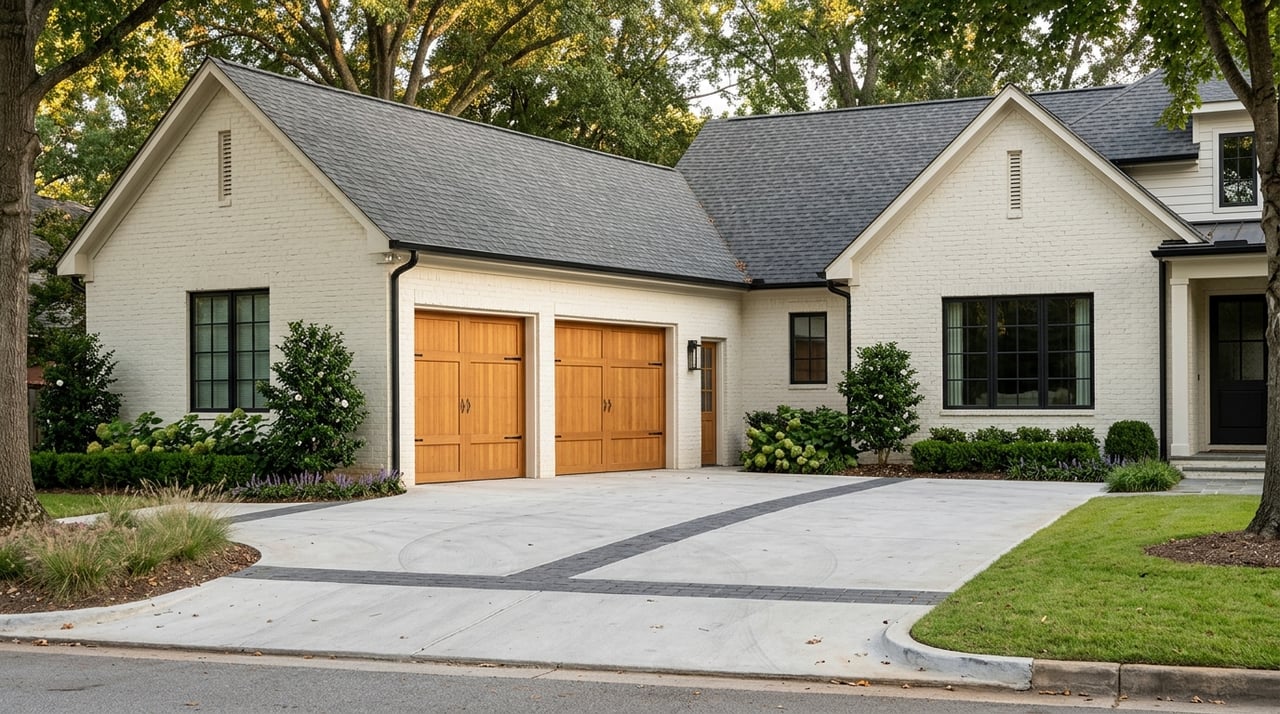
Luxury in Vinings is not one-size-fits-all. You might see broad market numbers for the area and assume every home follows the same pricing pattern, but Vinings works more like a collection of small pockets, streets, and settings than a single uniform market. If you are buying or selling here, understanding how location, lot characteristics, and home style interact can help you make smarter decisions with more confidence. Let’s dive in.
Why the Vinings luxury market feels different
Vinings is a small, unincorporated area in Cobb County, with the Census placing the CDP at 3.13 square miles. Because Cobb County oversees zoning in unincorporated Cobb County, the area is shaped by local planning and design decisions that help preserve its identity. In real estate terms, that means you should think of Vinings as a micro-market made up of different residential pockets rather than one broad, predictable neighborhood.
That distinction matters because broad data can miss the premium attached to certain homes. Redfin reported a March 2026 median sale price of $469,000, 18 days on market, a 99.1% sale-to-list ratio, 30.7% of homes with price drops, and only 13 sales. Zillow reported a late-April 2026 typical home value of $492,347 and 131 homes for sale, but those whole-area figures can blur the pricing differences between condos, townhomes, detached homes, and higher-end properties on standout lots.
The Census also shows that Vinings is a mixed housing market, with owner-occupied housing at 33.2% in the 2020-2024 ACS. That is one reason broad averages can be misleading when you are evaluating luxury value. In this market, property type, street context, and lot setting often tell you more than a headline number.
What defines luxury in Vinings
Luxury in Vinings often comes from a mix of setting, architecture, and livability. In some cases, the value is driven by a private lot with mature trees and a long driveway. In others, it comes from a thoughtfully updated home that respects the area’s traditional character while delivering the layout and finishes buyers want today.
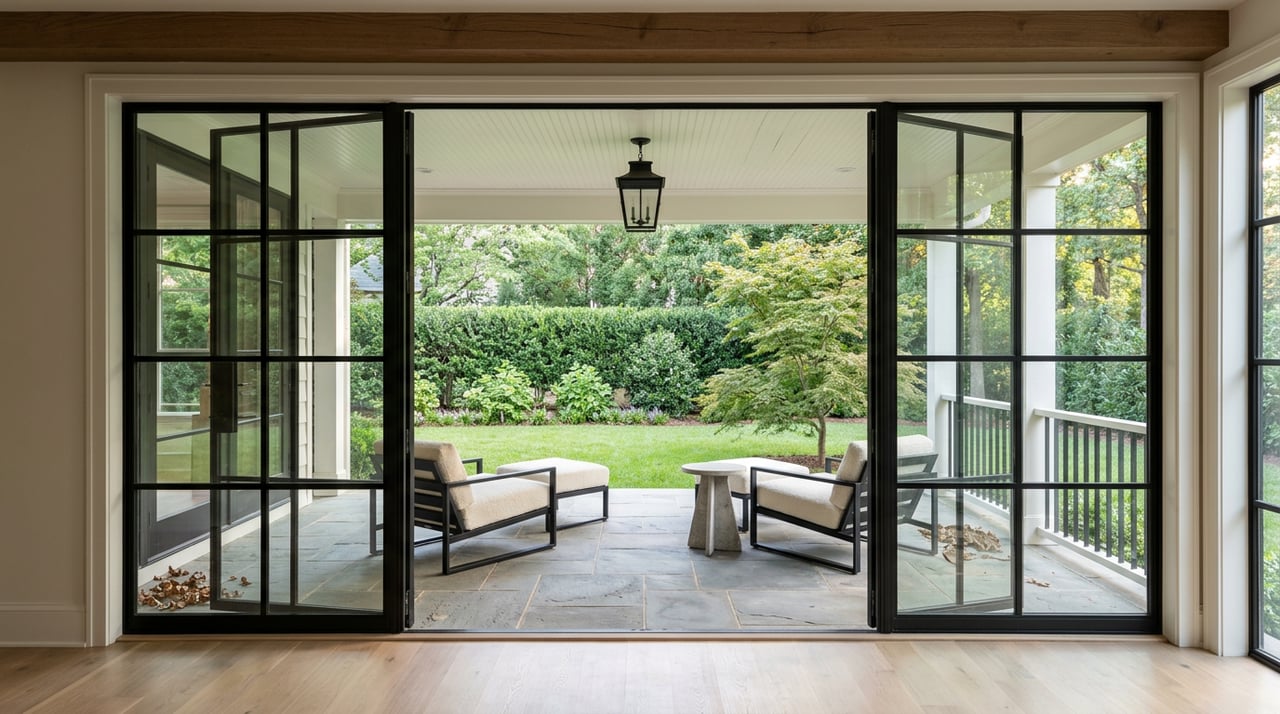
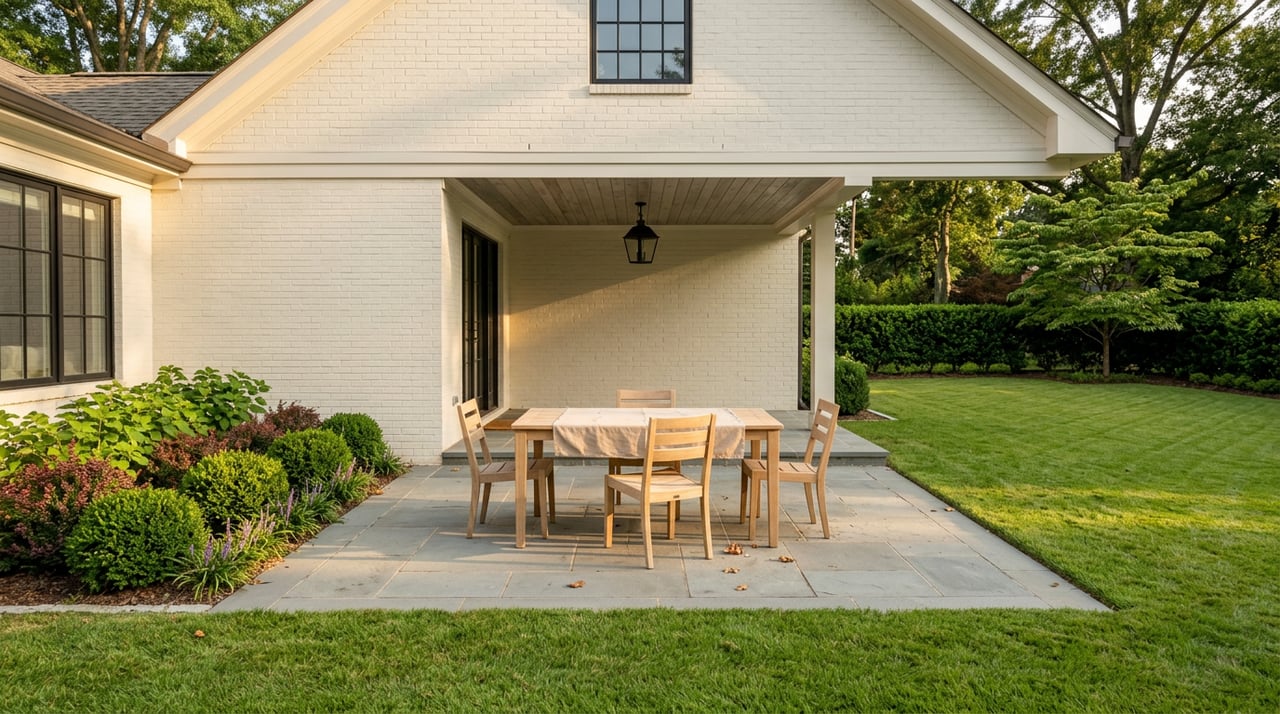
The strongest homes in this market usually balance charm and function. Buyers often respond to homes that offer classic curb appeal, updated kitchens, open living connections, and strong indoor-outdoor flow. That blend is part of what makes Vinings appealing to both traditional and transitional luxury buyers.
Vinings home styles to know
Traditional village-inspired homes
The village core reflects a distinctly traditional look. Cobb County design guidelines for key village-commercial streets point to a preferred aesthetic that includes white clapboard or similar white siding, brick or stacked-stone accents, porches or porticos, cloth awnings, and historically scaled rooflines. While these guidelines focus on commercial frontages, they help explain the design language that shapes how many people think about Vinings overall.
Historic properties reinforce that identity. The Pace House, Old Pavilion, and Yarbrough House are described by local preservation sources as white clapboard buildings that help define Vinings. That architectural memory still influences what feels visually compatible in the area.
Craftsman, ranch, manor, and townhome mixes
Beyond the village feel, the residential market includes a broad mix of home types. Local coverage describes Vinings as including craftsman-style bungalows, contemporary ranches, modern manors, and townhomes. That variety is one reason buyers need to compare homes carefully and sellers need pricing that reflects the right competitive set.
A luxury buyer looking at a transitional home with updated finishes is not always comparing it to an older ranch or attached townhome nearby. Even within a short distance, the product can change significantly. In Vinings, style and setting work together to shape value.
Transitional luxury appeal
Some of the most compelling higher-end homes in Vinings combine traditional exterior character with current interior living. Recent local coverage highlighted a hilltop home near the Chattahoochee River with a wraparound porch, chef’s kitchen, and seamless indoor-outdoor living. That is a strong example of what many buyers want now: timeless curb appeal paired with practical, comfortable updates.
This is where Vinings stands out. The market often rewards homes that feel rooted in place but also live well for today’s routines, entertaining, and everyday flow.
Why lot quality matters so much
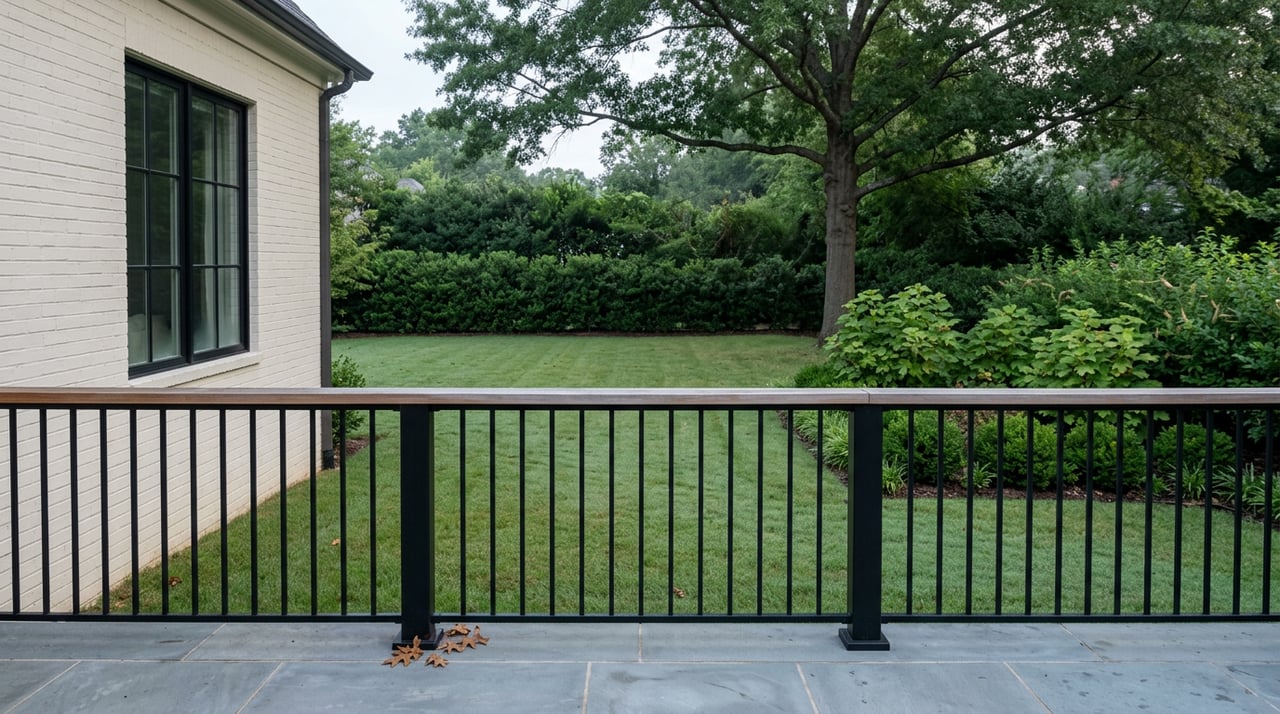
In many luxury markets, square footage gets a lot of attention. In Vinings, lot quality often carries just as much weight. Privacy, mature landscaping, site depth, and the overall feel of the setting can meaningfully affect how a home is perceived and priced.
Local descriptions of Vinings mention plots typically just under an acre, robust gardens, towering trees, and long driveways. For many buyers, those site features create the sense of retreat that defines luxury here. A home with a strong lot can compete well even against larger properties if the setting feels special.
Privacy and tree canopy
Mature trees and layered landscaping can shape both experience and value. They create privacy, soften the streetscape, and support the established character many buyers associate with Vinings. In higher-end price points, that natural setting is often part of what buyers are paying for.
Topography and drainage
Site conditions also deserve close attention. The Vinings Vision Plan ties parts of the area to the Chattahoochee River, lakes, and creeks, and it records 68 flood-damaged properties in the 2009 event. For homes near river or creek corridors, topography, drainage, and floodplain exposure can be important parts of the value conversation.
This does not mean every nearby property carries the same level of concern. It means buyers and sellers should treat site factors as material, especially when comparing homes that may look similar on paper but sit very differently on the land.
How design compatibility affects value
Vinings has a strong preservation mindset. Community planning materials say the Vision Plan and later design guidelines were created to protect the area’s uniqueness, character, charm, and history and to help guard against overdevelopment. In practical terms, homes and renovations that feel proportionate to the street often align better with the local character.
That can matter for resale. A home that fits its setting, respects scale, and uses materials or design cues that feel consistent with the area may appeal more broadly than a property that feels visually out of place. In a market as nuanced as Vinings, design compatibility is not just an aesthetic issue. It can be part of marketability.
Renovation trends buyers and sellers should watch
Preserve character, improve function
Some of the clearest renovation examples in Vinings show a preference for preserving character while improving livability. Local preservation work on the Yarbrough House involved removing later additions so the home could return closer to its original state. The Pace House also underwent structural stabilization, porch replacement, and historically accurate chimney work.
That same philosophy shows up in what buyers often respond to today. Homes that retain architectural charm while adding practical updates tend to fit the market well. The goal is usually not to erase character, but to make the home live better.
Features that tend to stand out
Recent Vinings coverage points to a few recurring luxury features. These include chef’s kitchens, wraparound porches, open room connections, marble countertops, private corner lots, and strong indoor-outdoor living. Buyers also tend to value efficient floor plans and a finish level that feels timeless rather than overly trendy.
For sellers, this is a useful reminder that not every update carries equal weight. In Vinings, quality matters, but so does fit. Renovations that align with the home’s architecture and the street’s overall feel often read better than changes that chase a generic look.
What buyers should evaluate carefully
If you are buying in Vinings, broad market stats are only the starting point. A smart evaluation usually goes deeper into the details that shape long-term enjoyment and resale.
Here are some of the biggest factors to review:
- Property type and true comparable sales
- Lot privacy, depth, and outdoor living potential
- Tree canopy and landscaping maturity
- Topography, drainage, and floodplain considerations
- Architectural fit with the street
- Renovation quality and finish level
- Floor plan efficiency for daily living
A home that checks most of these boxes may justify a stronger price than area-wide numbers suggest. On the other hand, a property that misses on several of them may need more pricing discipline, even in a desirable location.
What sellers should know about pricing
Redfin’s March 2026 data suggest that well-positioned homes can still move quickly, with 18 days on market and a 99.1% sale-to-list ratio across the broader area. At the same time, 30.7% of homes saw price drops, which shows that buyers are paying attention and not simply accepting every asking price. In a market with only 13 reported sales for that period, each listing needs a sharp strategy.
For sellers in the luxury or transitional segment, pricing should reflect the home’s exact context. The right strategy usually comes from matching the home to the proper micro-market, identifying the most relevant competing properties, and accounting for lot quality, updates, and street appeal. In Vinings, pricing is rarely just about square footage.
Why local guidance matters in Vinings
Because Vinings is small, mixed, and highly sensitive to location and design, local interpretation matters. Two homes with similar bedroom counts may perform very differently if one sits on a private, tree-filled lot with updated indoor-outdoor living and the other does not. Buyers need help sorting signal from noise, and sellers need marketing and pricing that highlight the right value story.
That is especially true in a market where architectural character, site conditions, and preservation-minded planning all influence perception. Whether you are buying a luxury home, preparing to sell, or trying to understand how your property fits into the current market, the details really matter here.
If you want a clear read on how your home or target property fits within the Vinings luxury market, Leanne Allen offers concierge-level local guidance backed by deep neighborhood knowledge and polished, high-exposure marketing.
FAQs
How is the Vinings luxury market different from the broader Vinings market?
- The luxury segment is shaped more by micro-location, lot quality, architectural fit, and renovation level than by broad area averages, which can mix condos, townhomes, and detached homes together.
What home styles are common in Vinings real estate?
- Vinings includes traditional village-inspired homes, craftsman-style bungalows, contemporary ranches, modern manors, and townhomes, with many updated luxury homes blending classic exteriors and modern interiors.
What lot features matter most for Vinings luxury homes?
- Privacy, mature trees, landscaping, site depth, outdoor living potential, and overall setting can all play a major role in how a home is valued.
What should buyers check for on river- or creek-adjacent Vinings properties?
- Buyers should look closely at topography, drainage, and floodplain exposure, since the area’s planning documents identify river, lake, and creek connections and note past flood-damaged properties.
How do renovations affect Vinings home value?
- Renovations tend to perform best when they improve livability while preserving the home’s character and staying visually compatible with the surrounding street context.
Why do broad Vinings price statistics sometimes miss luxury value?
- Whole-area metrics can understate premium pricing because Vinings is a mixed housing market, so detached luxury homes on standout lots may not track neatly with broader averages.